BASS: How Bassists Use the Circle of Fifths
By now you’ve probably heard us mention the Circle of Fifths a few times. Maybe you’ve even glanced at one and thought, “that looks like something only jazz professors care about.” Don’t worry, we’re not here to make you memorise abstract theory. We’re here to show you how bassists actually use the Circle of Fifths to get creative, unlock progressions, and make songwriting easier.
Why the Circle of Fifths matters on bass
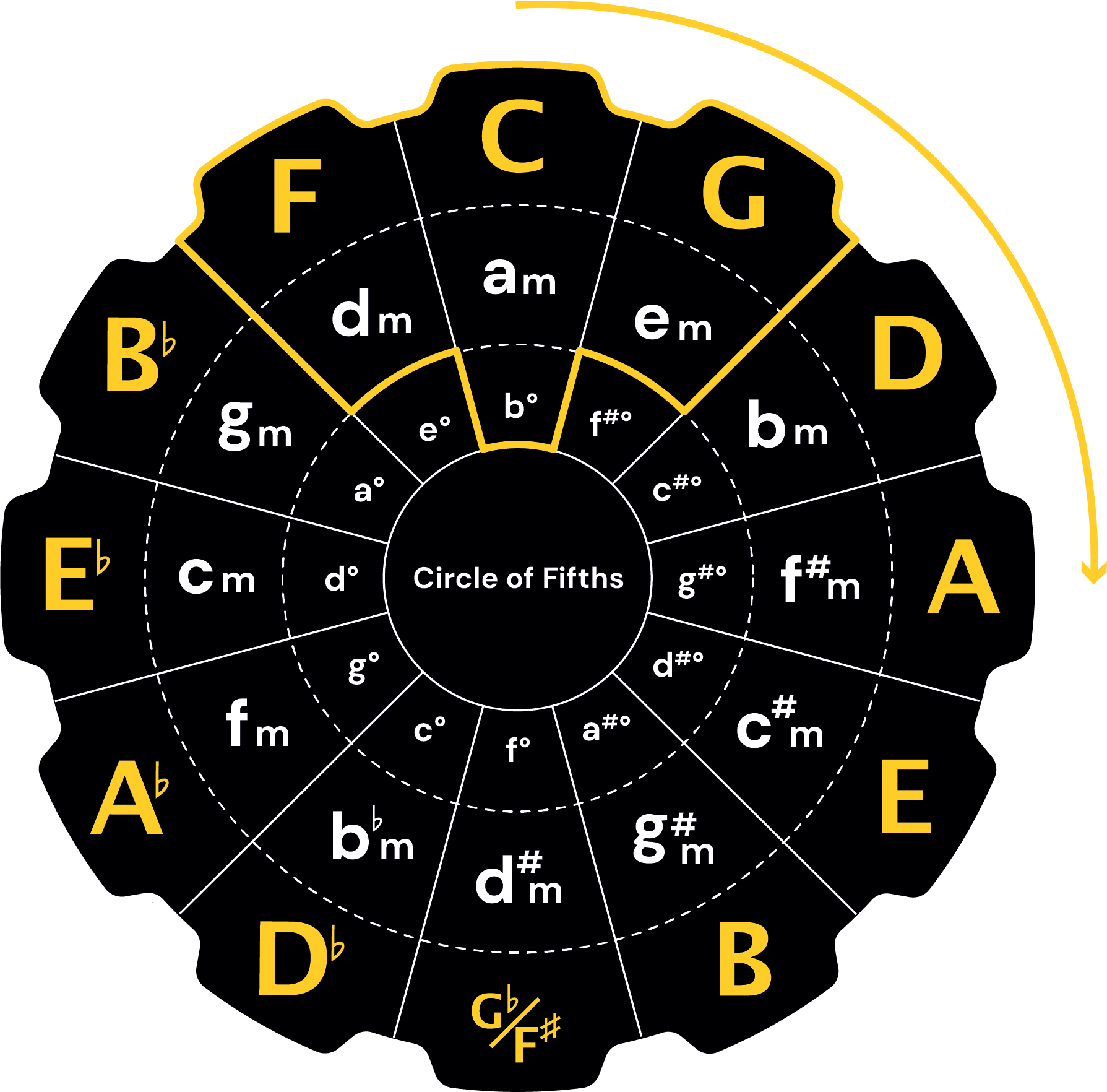
At its core, the Circle of Fifths is just a map of how keys and chords relate to each other. Guitarists use it to find chord progressions, songwriters use it to modulate between keys, and bassists? We use it to build grooves that sound natural, musical, and connected.
The cool thing is, if you know where you are on the circle, you instantly know what’s going to sound good next. No guesswork, no bum notes in the jam.
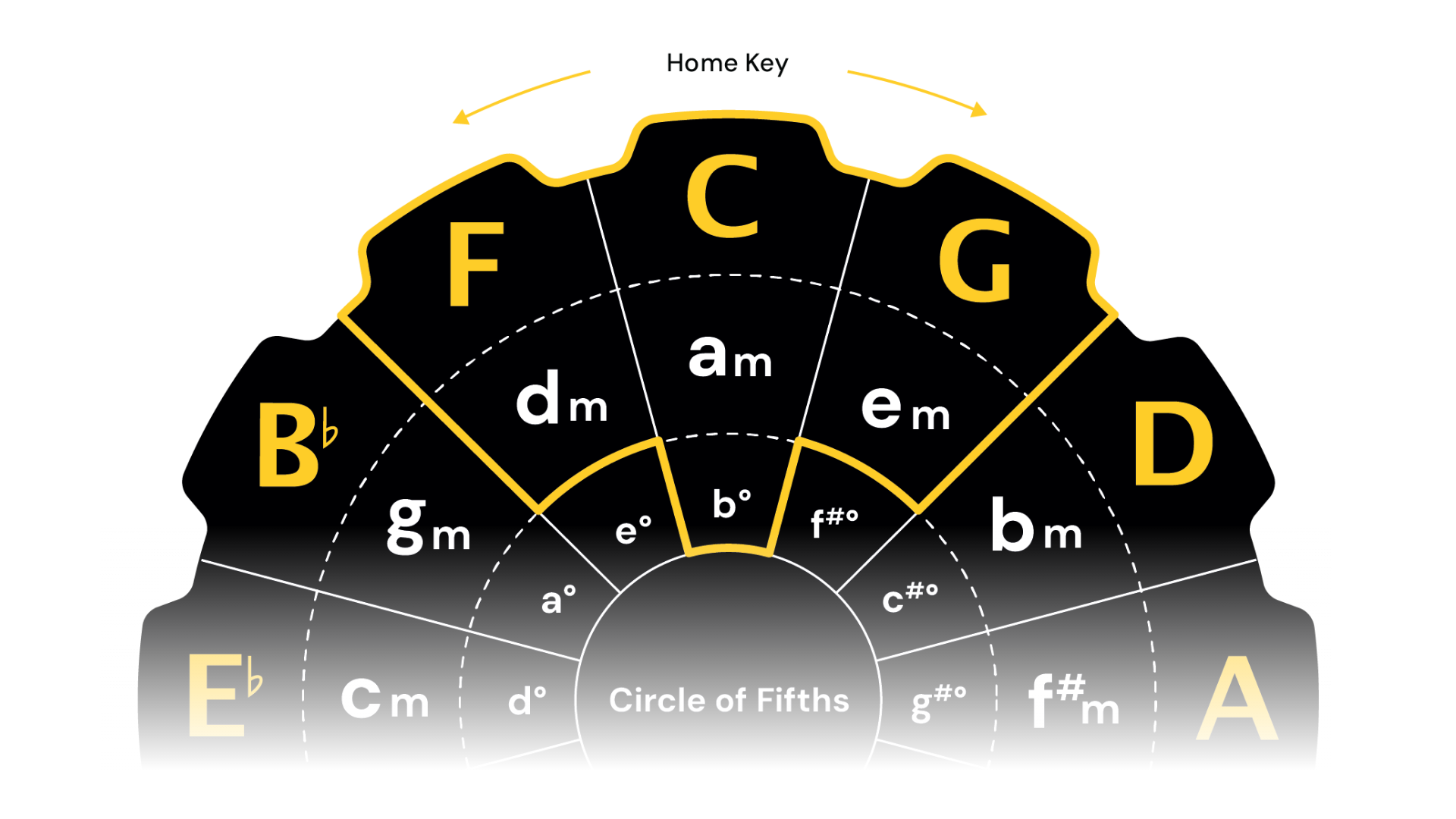
Exercise 1: Build a Progression with Neighbours
One of the most common tricks is moving between chords that are right next to each other on the circle. Let’s say you’re in the key of C (at the top of the circle). The chords immediately next to C are G and F. Put those three together—C, F, G—and you’ve got the backbone of countless rock, pop, and blues songs. You might recognise this progression from week 2’s blog.
On bass, try playing this progression as root notes first:
C (3rd fret A string) → F (1st fret E string) → G (3rd fret E string)
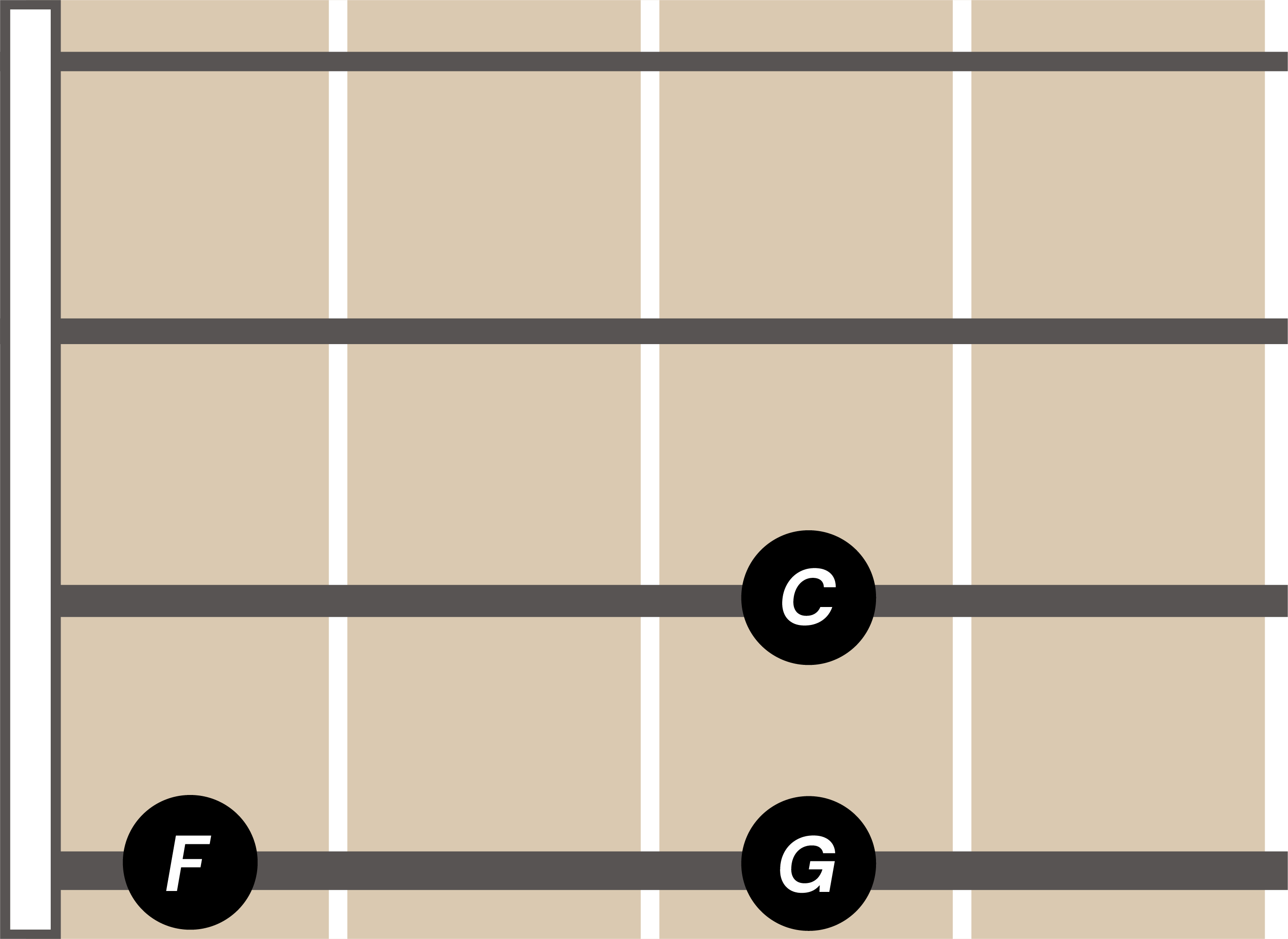
Loop them in any order and notice how natural it sounds. It’s like the circle is doing the work for you.
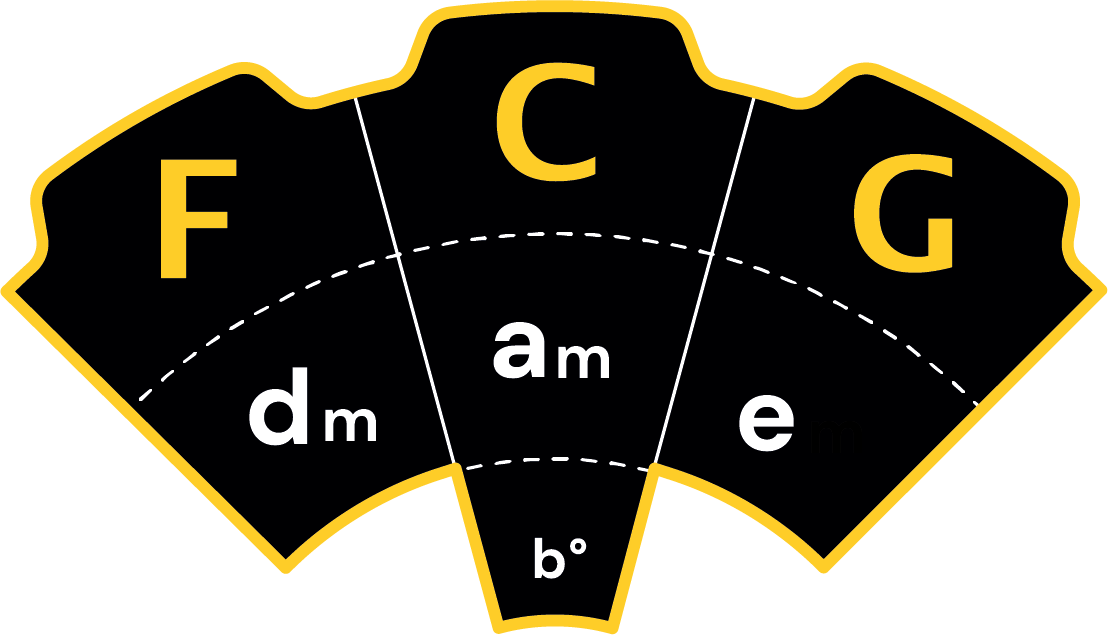
Now add some groove:
C – C – G – G
F – F – G – G
Or try walking between them using fifths or passing tones. This is where the bass turns a simple sequence into an actual song.
Exercise 2: The Circle Jam
Another fun way to use the Circle is to follow it clockwise or counter-clockwise like a map. Each step around gives you a new chord to land on. Jazz players do this all the time, but you don’t have to be jazzy—just follow the circle and keep it simple.
For example, try moving clockwise from C:
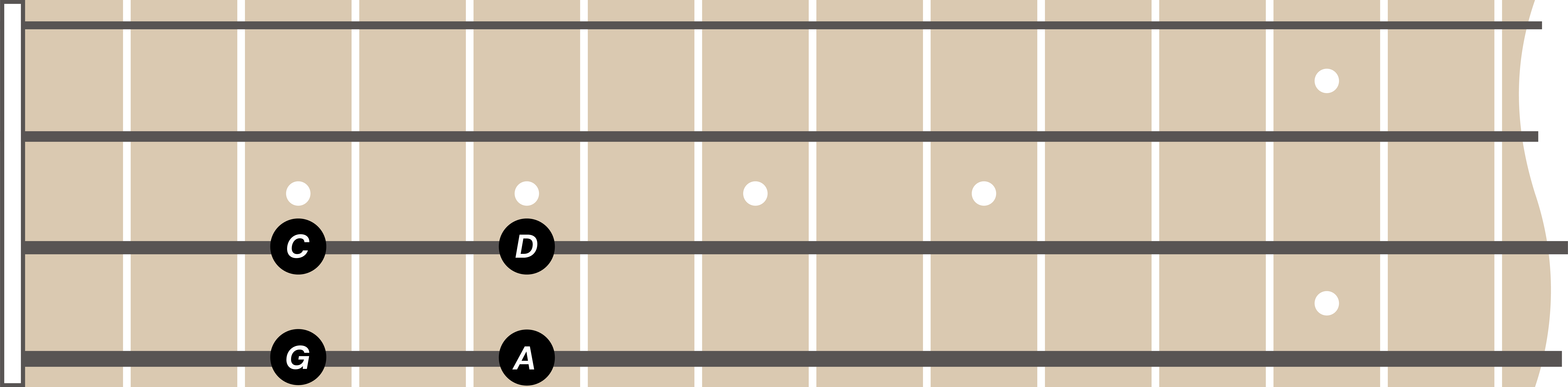
C → G → D → A
On bass, this gives you an instant pattern:
C (3rd fret A string)
G (3rd fret E string)
D (5th fret A string)
A (5th fret E string)
You can play these as steady quarter notes for a driving rock feel, or syncopate them for funk. Add octaves, fifths, or even slides to personalise it.
Why this works
The Circle of Fifths isn’t magic—it’s just showing you which chords share notes and sound “at home” together. But once you know how to read it, you can:
Write progressions that sound natural
Jam confidently in any key
Experiment with new sounds without hitting clashing notes
And as a bassist, you get to lead with this knowledge. Instead of just following the guitarist, you can steer the jam, suggest progressions, and create grooves that lock everything together.
Next week, we’ll be diving into modes—the flavours that turn your bass lines from “good” to “whoa.” But for now, grab your Circle of Fifths, pick a key, and start looping around it. You’ll be surprised how many songs are hiding in that little circle.
Play more.
Shop learning materials | Music learning videos | Keep up with our socials